Overcoming Low Transfection Efficiency in THP-1 Cells Through mRNA Delivery
Jan 20,2026
THP-1 cells are widely used in immunological research as a human monocyte cell line and a gold-standard model for macrophage function. However, their innate immune properties make them highly resistant to transfection. Conventional DNA-based methods typically exhibit low efficiency, while monocyte sensing of exogenous nucleic acids can elicit strong immune responses that compromise experimental reliability. mRNA-based delivery strategies offer a compelling alternative. By enabling rapid protein expression without nuclear entry or genomic integration, mRNA transfection provides an effective approach for gene function studies in THP-1 cells.
In this issue of Cell Culture Academy, we describe an optimized mRNA transfection strategy for achieving efficient and reproducible gene delivery in THP-1 cells.
Ⅰ. Characteristics of THP-1 Cells
THP-1 cells are derived from the peripheral blood of a patient with acute monocytic leukemia and are widely used as a human monocyte cell line that retains key monocyte features, including surface expression of CD14.
Upon stimulation with phorbol 12-myristate 13-acetate (PMA), THP-1 cells differentiate into macrophage-like cells, enabling in vitro modeling of macrophage-associated immune responses.
Functionally, THP-1 cells exhibit robust phagocytic activity and efficiently internalize latex particles and sensitized erythrocytes. They express complement receptor 3 (C3R) and Fc receptors (FcR) but do not synthesize immunoglobulins, making them a well-defined and reliable model for studies of innate immune responses.
Ⅱ. Why mRNA Transfection is Preferable for THP-1 Cells
Efficient, low-toxicity nucleic acid delivery in THP-1 cells is challenging due to their suspension monocyte nature and complex membrane composition.
Limited contact with transfection complexes, combined with an intact innate immune system, makes them highly sensitive to exogenous nucleic acids and delivery vehicles, often triggering immune clearance or inflammatory responses that can confound results.
THP-1 cells are typically used to study inflammatory signaling, polarization, and immune regulation, where short-term functional changes are more relevant than stable expression. mRNA transfection bypasses the nucleus, allowing direct cytoplasmic translation and rapid, transient expression that minimizes immune disruption and better reflects physiological responses.
These properties make mRNA the preferred transfection method for THP-1 cells.
Ⅲ. Mergene1000® mRNA Transfection Reagent Specialized for THP-1 Cells
Although mRNA transfection has inherent advantages, the unique immune characteristics of THP-1 cells require a specialized delivery system. General-purpose reagents often compromise between transfection efficiency and immune activation. Mergene1000® THP-1 Cell-Specific mRNA Transfection Reagent, addresses this challenge.
Product Features
THP-1 specific: Superior transfection performance compared to general-purpose reagents.
High efficiency: Increases transfection rate and protein expression levels.
Low toxicity: Preserves cell viability and the normal cellular state post-transfection.
Simple workflow: Transfection is completed in two steps—“add and incubate”.
Operation Procedure
Resuspend cells in fresh complete medium at the desired density. Dilute mRNA and Mergene1000® in RPMI-1640, mix gently, and allow complexes to form at room temperature. Add dropwise to the cell suspension and mix gently. Medium replacement or complex removal is usually unnecessary, simplifying the procedure. Gene expression can be detected 12-24 h post-transfection.
Transfection Performance
THP-1 cells were transfected with EGFP mRNA using Mergene1000® and T brand’s L3000 reagent for comparison. Mergene1000® achieved 50.39% transfection efficiency while maintaining cell viability and immune homeostasis (Figure 1).
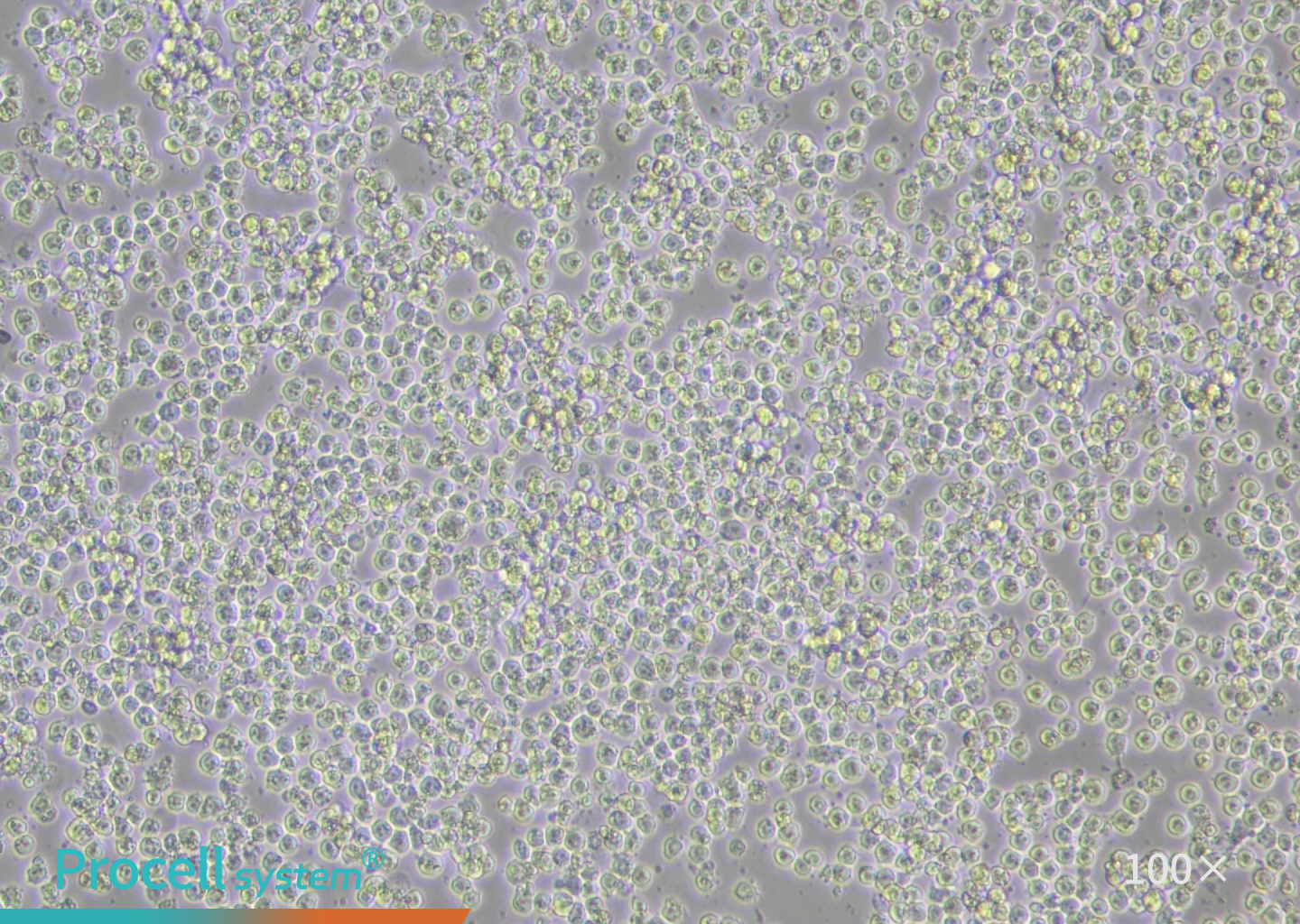
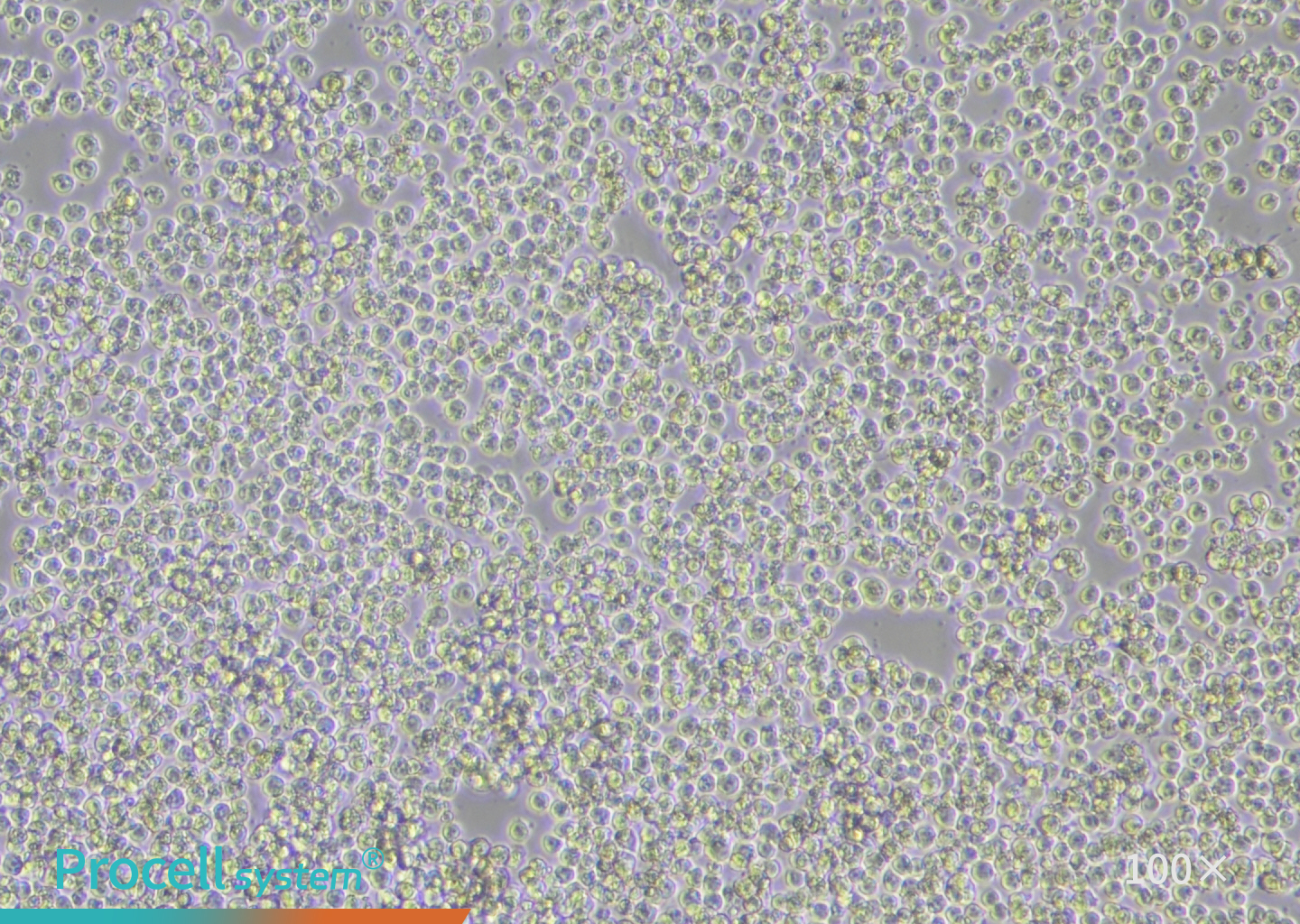
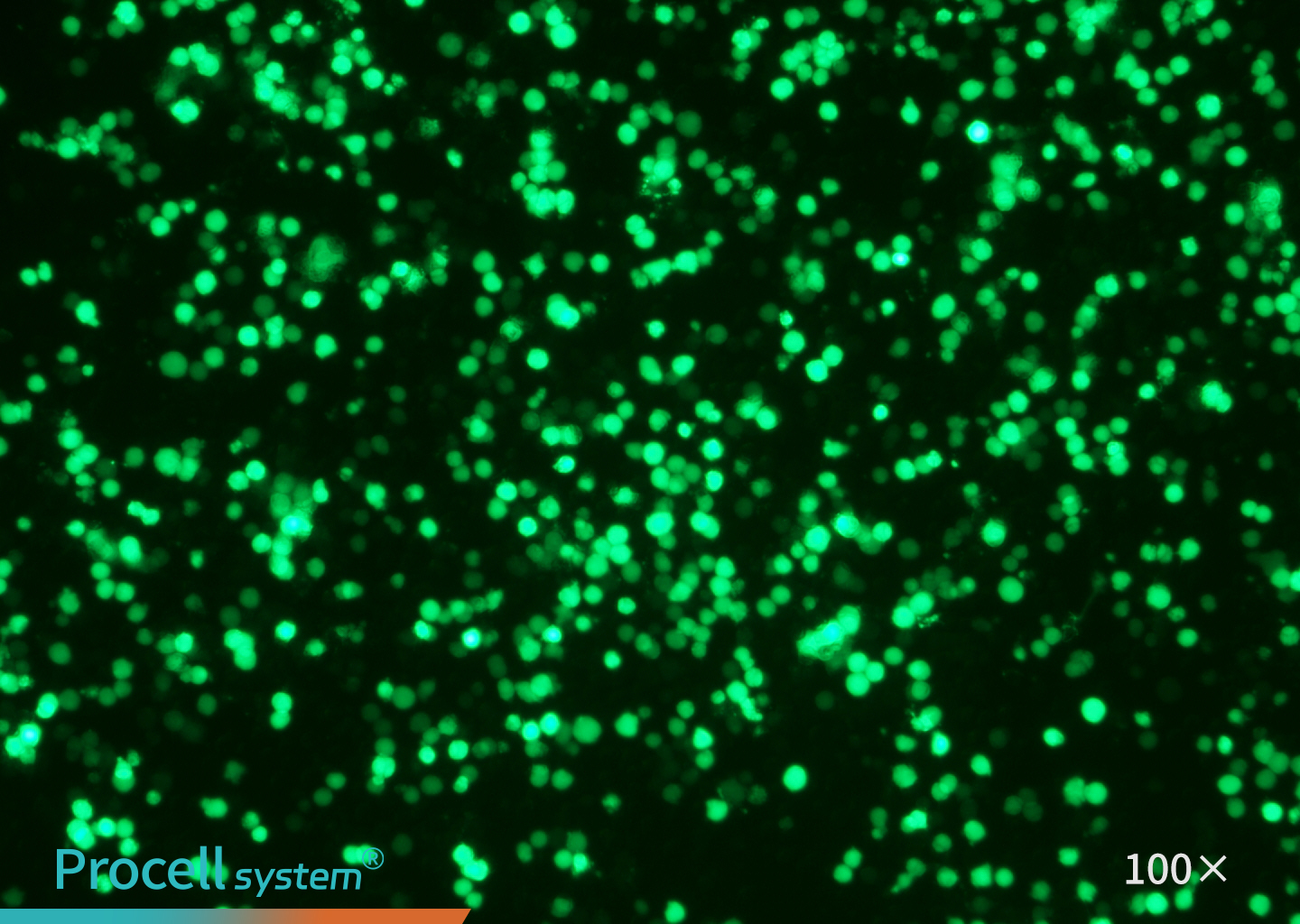
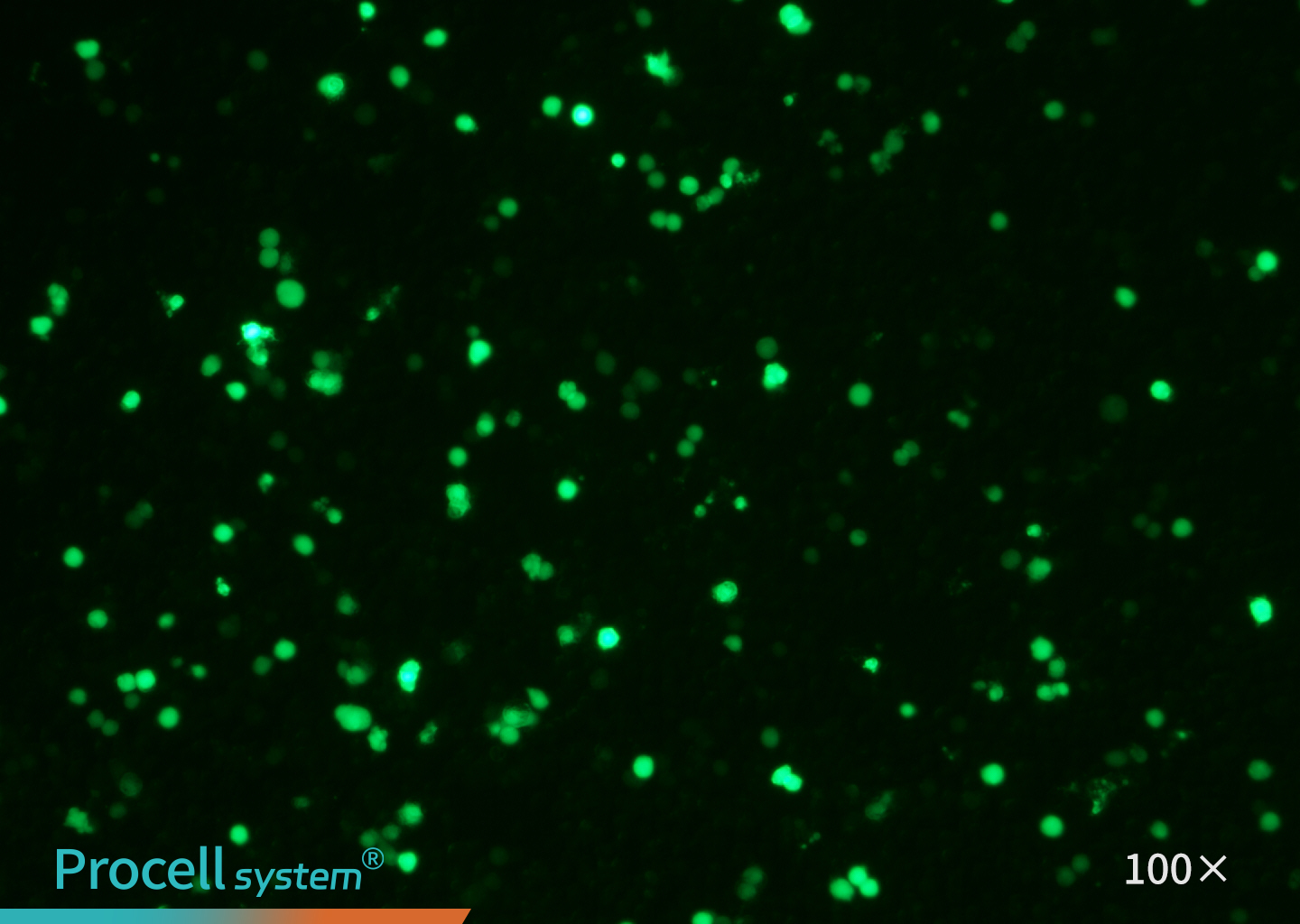
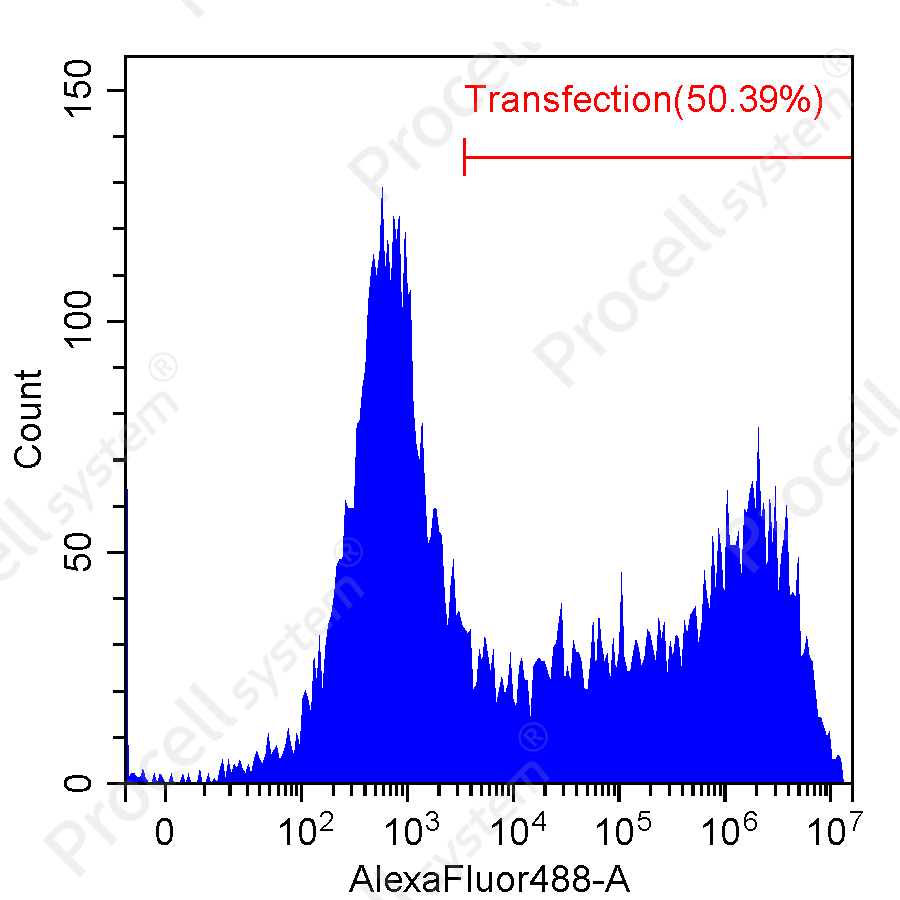
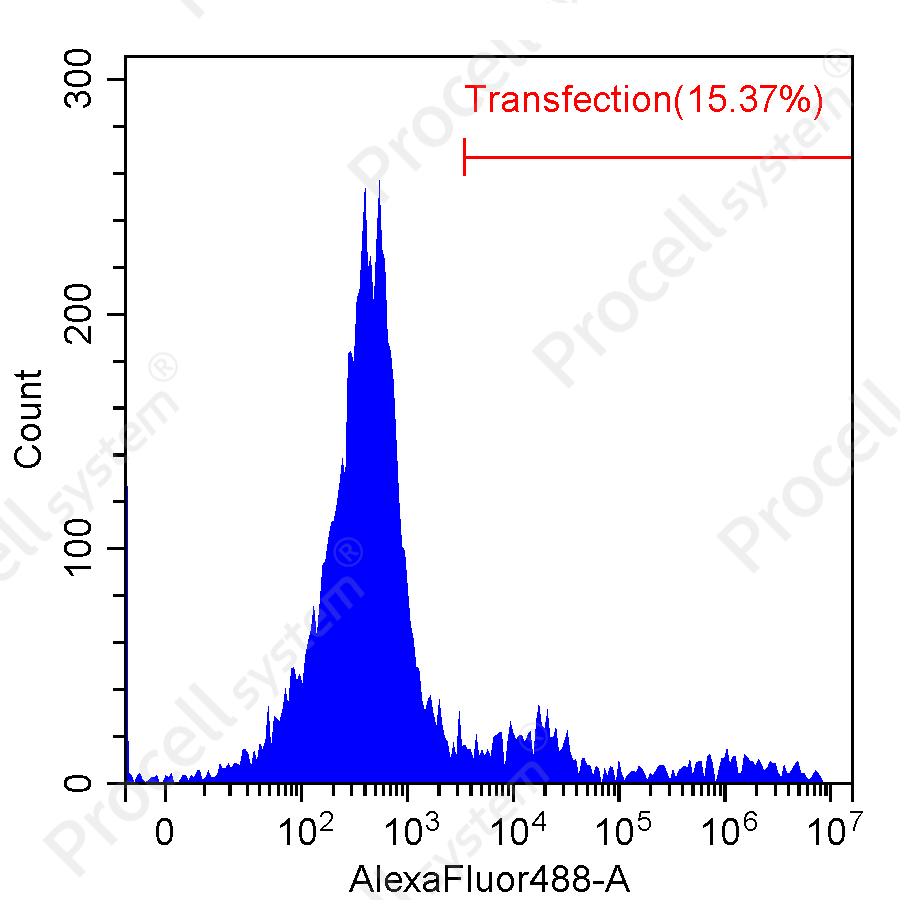
Figure 1. THP-1 cells transfected with EGFP expression plasmid
Ⅳ. Frequently Asked Questions (FAQ)
1.What are the possible reasons for low transfection efficiency in THP-1 cells?
- Cell state: Cells not in the logarithmic growth phase or with excessive passages.
- mRNA quality: Low purity or degraded mRNA.
- Transfection reagent: Reagent formulation unable to overcome THP-1 delivery barriers.
- Seeding density: Suboptimal cell density during transfection.
2.How can stimulation and toxicity from transfection reagents be minimized in THP-1 cells?
- Use reagents with verified low immunogenicity.
- Optimize the mRNA-to-reagent ratio to avoid excess.
- Use high-purity, endotoxin-free mRNA.
- Monitor cells 4-6 h post-transfection; if stimulation is evident, supplement with fresh medium.
3.How can the success of mRNA transfection be confirmed?
- Fluorescence microscopy: Reporter gene expression (e.g., EGFP) observed 12-24 h post-transfection.
- Flow cytometry: Quantify the proportion of reporter-expressing cells to determine transfection efficiency.
Prev: Optimized Protocols for Hepatic Parenchymal Cell Isolation, Culture, and Model Development
Next: Cardiac Endothelial Cell Isolation Keeps Failing? Copy This High-purity Playbook