Breaking the Transfection Barrier in A549 Cells: Essential Techniques for Robust Gene Expression
Dec 09,2025
In biomedical research, mRNA transfection is transforming gene function studies through its distinct advantages. A549 cells, a key human non-small cell lung cancer model, are indispensable for cancer research, drug screening, and toxicity studies.
However, conventional mRNA transfection in A549 cells often encounters low efficiency and high cytotoxicity. This edition of Cell Culture Academy addresses these challenges and provides practical, experimentally validated guidelines for achieving high-efficiency, low-toxicity mRNA transfection in A549 cells.
I. A549 Cell Overview
The A549 cell line, established in 1972 by D.J. Giard et al. from lung tumor tissue of a 58-year-old Caucasian male, is a widely used human non-small cell lung carcinoma model. These cells produce lecithin with a high proportion of unsaturated fatty acids via the cytidine diphosphate–choline pathway. Morphologically, A549 cells exhibit an epithelial-like appearance and grow adherently. In vitro, they grow as monolayers with a doubling time of approximately 22 hours, making them suitable as host cells for transfection experiments.
Basic Information
Tissue Origin: Lung cancer
Cell Type: Tumor cells
Growth Properties: Adherent
Morphology: Epithelial-like
Culture Protocol
Culture System: Ham's F-12K supplemented with 10% fetal bovine serum (FBS) and 1% penicillin-streptomycin (P/S)
Culture Conditions: Atmosphere: 95% air; 5% CO2; Temperature: 37℃
Subcultivation Ratio: 1:3-1:6
II. Applications and Research Progress of A549 Cells
1.Drug Screening
A549 cells are extensively utilized in drug screening protocols and represent a key model system for developing novel lung cancer therapeutics. Investigations into their pharmacological sensitivity yield critical references for personalized treatment strategies.
2.Mechanism Research
Examination of oncogenic and metastatic pathways in A549 cells enhances understanding of non-small cell lung cancer (NSCLC) pathogenesis and molecular regulation, establishing a theoretical basis for therapeutic development.
3.Targeted Therapy
A549 cells are routinely employed to investigate critical signaling pathways (e.g., KRAS) and their regulatory mechanisms, generating experimental evidence for the identification of lung cancer–specific therapeutic targets.
4.Immunotherapy
As a representative NSCLC model, A549 cells facilitate studies on immune checkpoint expression regulation (including PD-L1) and pharmacological mechanisms, thereby advancing immunotherapy research.
5.Novel Drug Development
Progress in pulmonary oncology continues to yield novel compounds. Researchers synthesize both low- and high-molecular-weight agents, validating their mechanisms of action in A549 cell systems.
Gene transfection constitutes a standard methodology in such investigations, enabling modulation of disease-relevant proteins through gain- and loss-of-function approaches to elucidate pathological mechanisms.
Technological evolution has necessitated efficient, low-cytotoxicity transfection platforms, driving the development of dedicated mRNA transfection reagents optimized for A549 applications.
Ⅲ. Mergene1000® A549 [A-549] Cell-Specific mRNA Transfection Reagent User Guide
1.Cell Seeding (24-Well Plate Protocol)
Seed cells 24 h before transfection. Perform transfection when cells reach 70%-90% confluence.
2.Transfection Complex Preparation
A. Dilute Transfection Reagent: Add 0.6 μL Mergene1000® A549 [A-549] Cell-Specific mRNA Transfection Reagent to 50 μL Ham's F-12K.
B. Dilute mRNA: Add 0.2 μg mRNA to the diluted transfection reagent from Step 1, maintaining a transfection reagent (μL) to mRNA (μg) ratio of 3:1.
C. Complex Formation: Incubate the mixture at room temperature (20-25℃) for 5-10 min.
3.Transfection and Analysis
A. Add Complex: Apply the prepared transfection complex dropwise to the culture medium.
B. Cell Culture: Gently mix the plate using a "figure-8" motion and incubate at 37℃ with 5% CO2.
C. Gene Expression Analysis: Evaluate gene expression 12-24 h post-transfection.
Table 1. Reference dosage of A549 [A-549] cells transfection in different culture vessel
| Culture Vessel | Area | Cell Seeding Density | Inoculation Medium | Diluted Final Volume | mRNA Transfection | |
| Reagent Amount | mRNA Amount | |||||
| 96-well | 0.3 cm2 | 1-4×10⁴ cells/well | 200 μL | 10 μL | 0.3 μL | 0.1 μg |
| 24-well | 2.0 cm2 | 0.8-1.2×10⁵ cells/well | 500 μL | 50 μL | 0.6 μL | 0.2 μg |
| 12-well | 4.0 cm2 | 1.6-2.4×10⁵ cells/well | 1 mL | 100 μL | 1.2 μL | 0.4 μg |
| 6-well | 10.0 cm2 | 4-6×10⁵ cells/well | 2 mL | 200 μL | 3.0 μL | 1.0 μg |
| 6 cm | 20.0 cm2 | 0.8-1.2×10⁶ cells/well | 5 mL | 0.5 mL | 6.0 μL | 2.0 μg |
| 10 cm | 60.0 cm2 | 2.4-3.6×10⁶ cells/well | 15 mL | 1.0 mL | 18.0 μL | 6.0 μg |
IV. Transfection Performance
The enhanced green fluorescent protein (EGFP) gene was delivered into A549 cells using both the Mergene1000® RAW A549 Cell-Specific DNA Transfection Reagent and T Brand L3000. Results demonstrate that Mergene1000® achieves > 80% transfection efficiency in A549 cells, substantially surpassing conventional mRNA transfection methods and outperforming Brand T’s L3000 reagent (Figure 2).
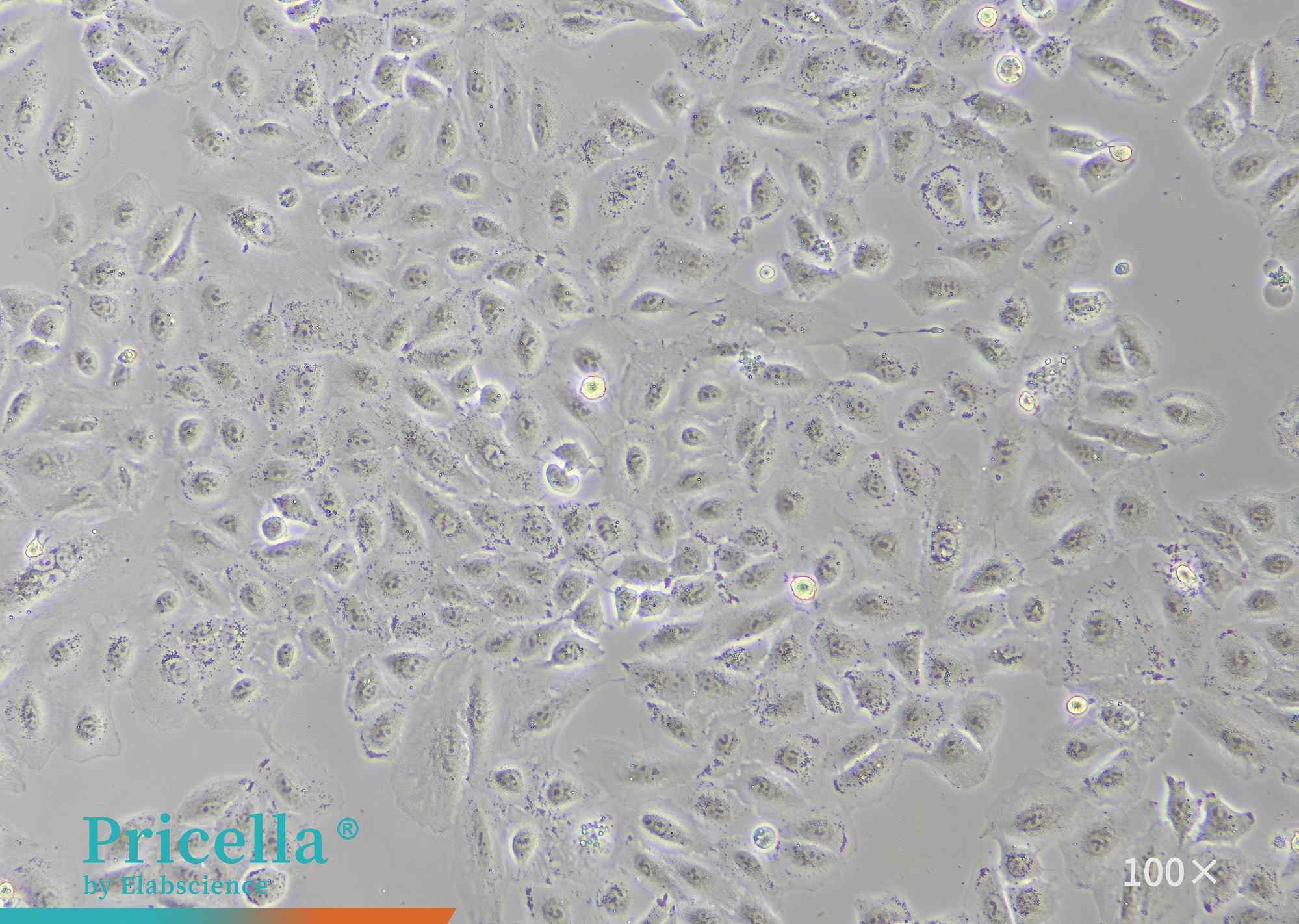
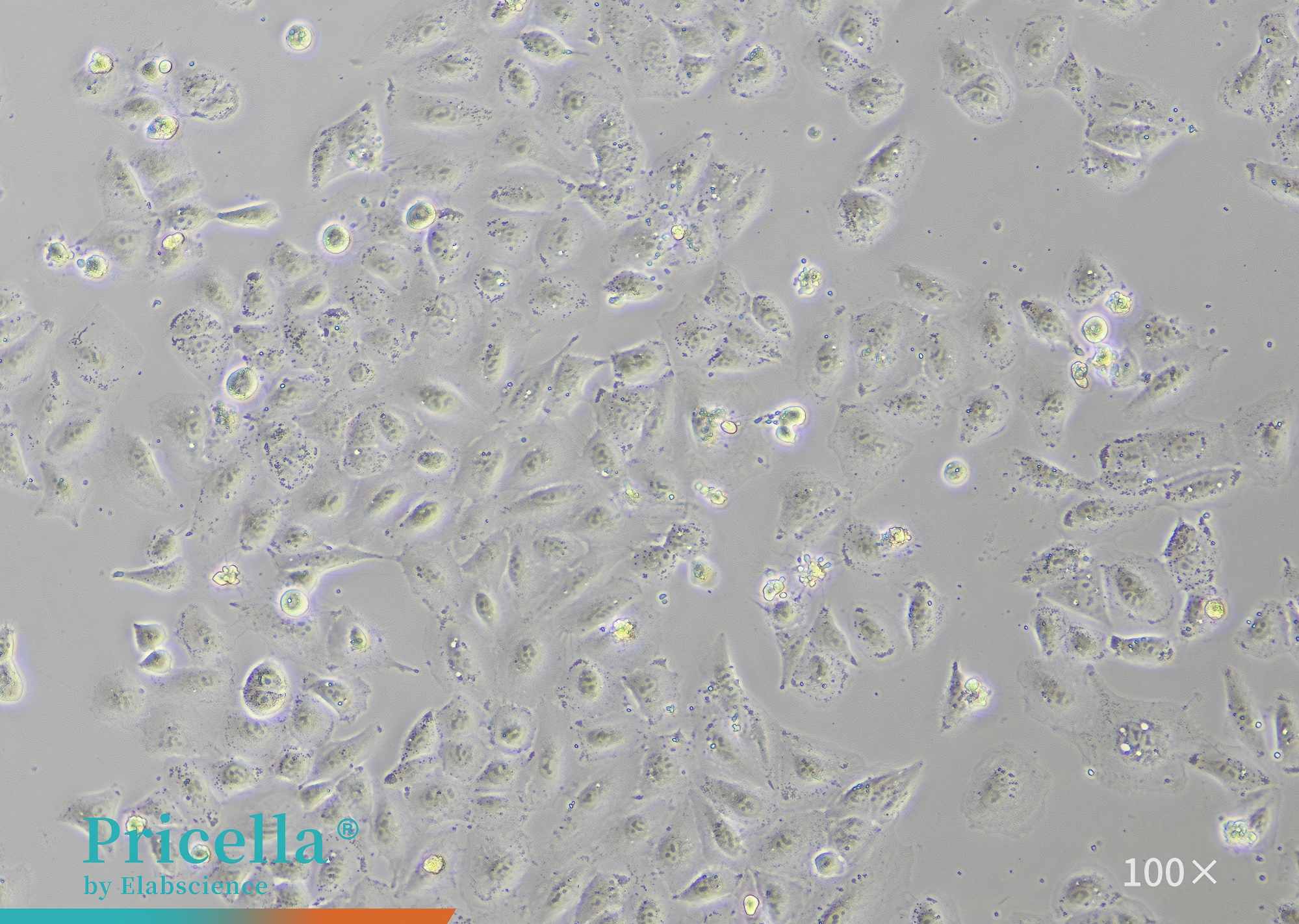
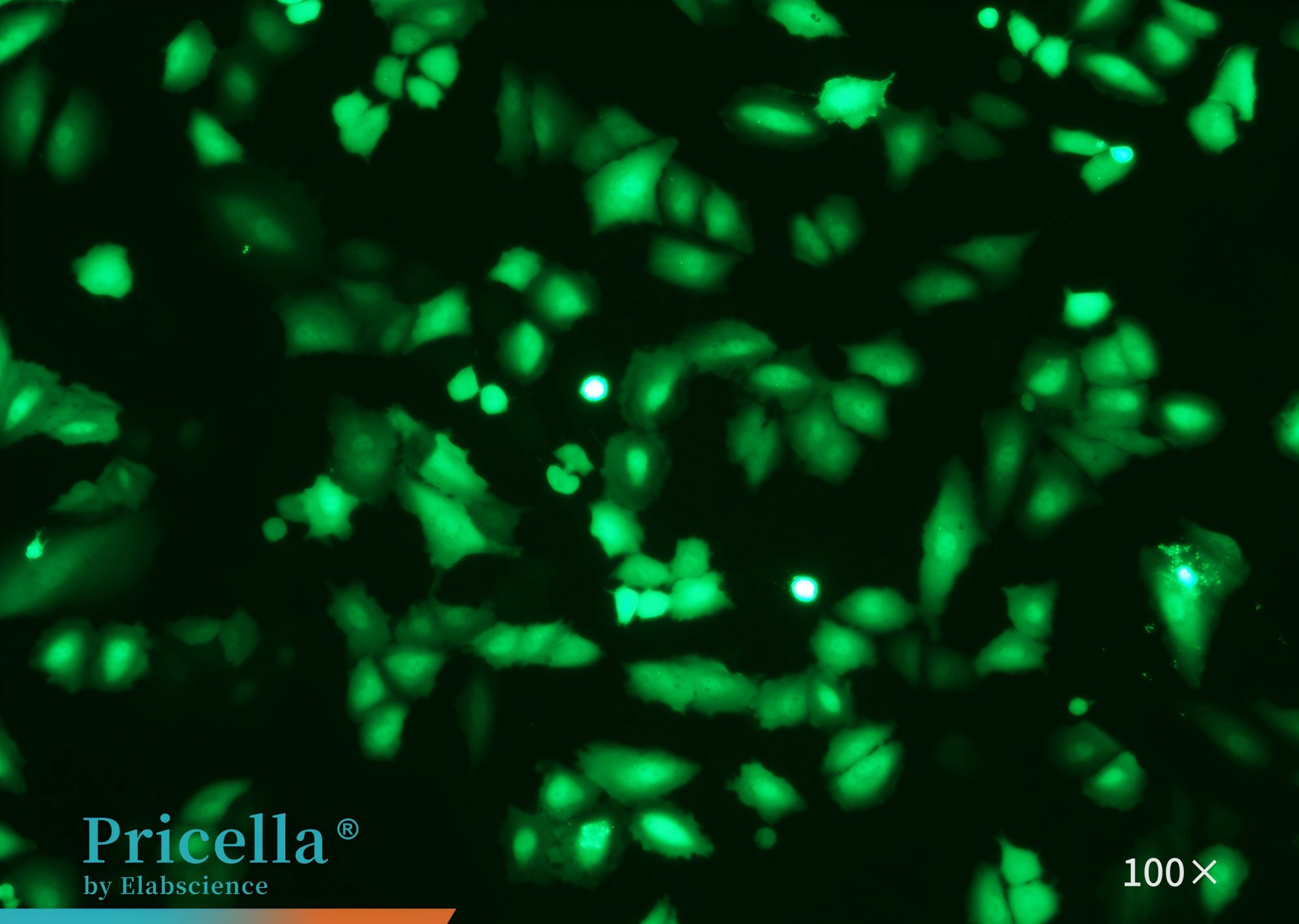
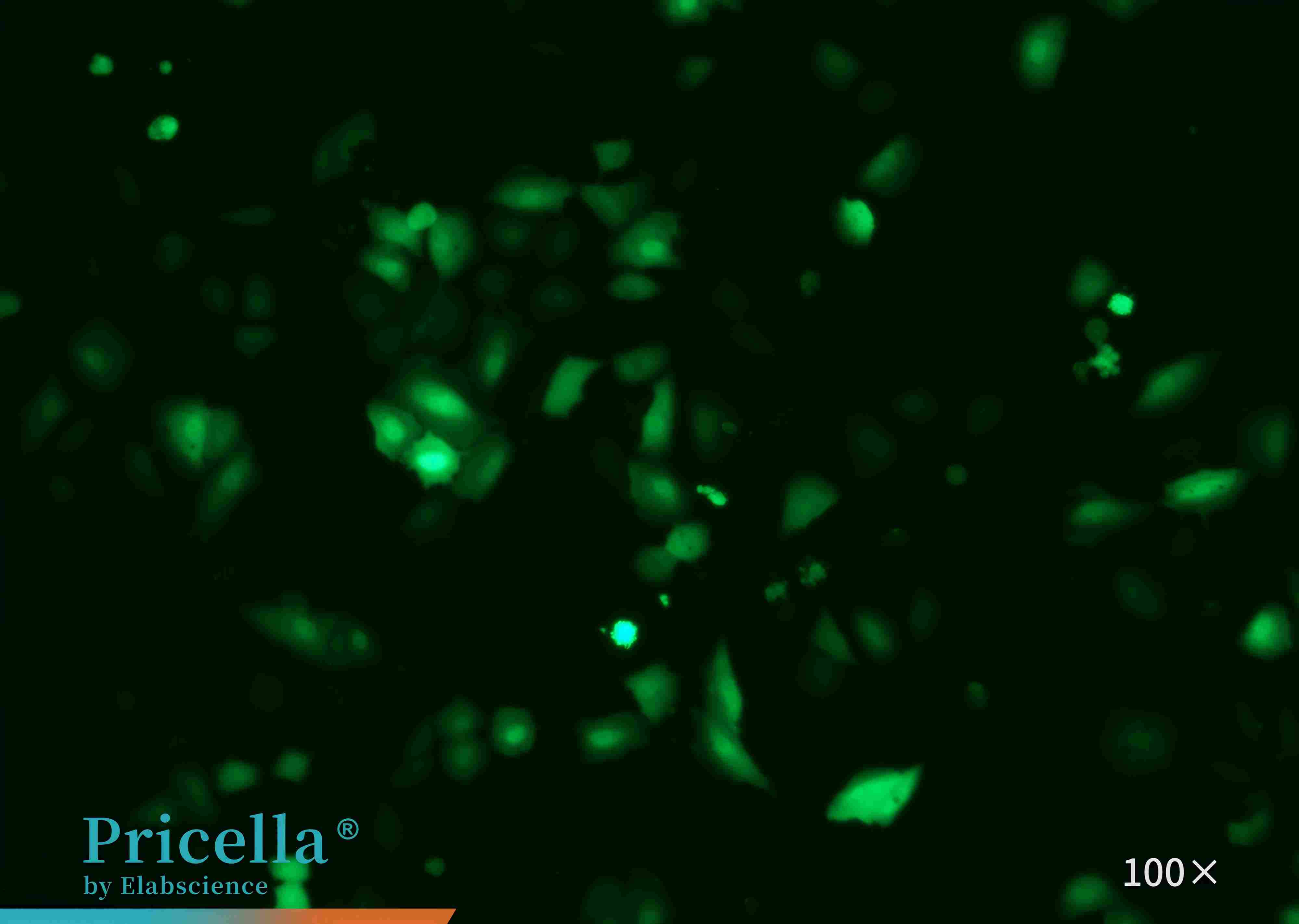
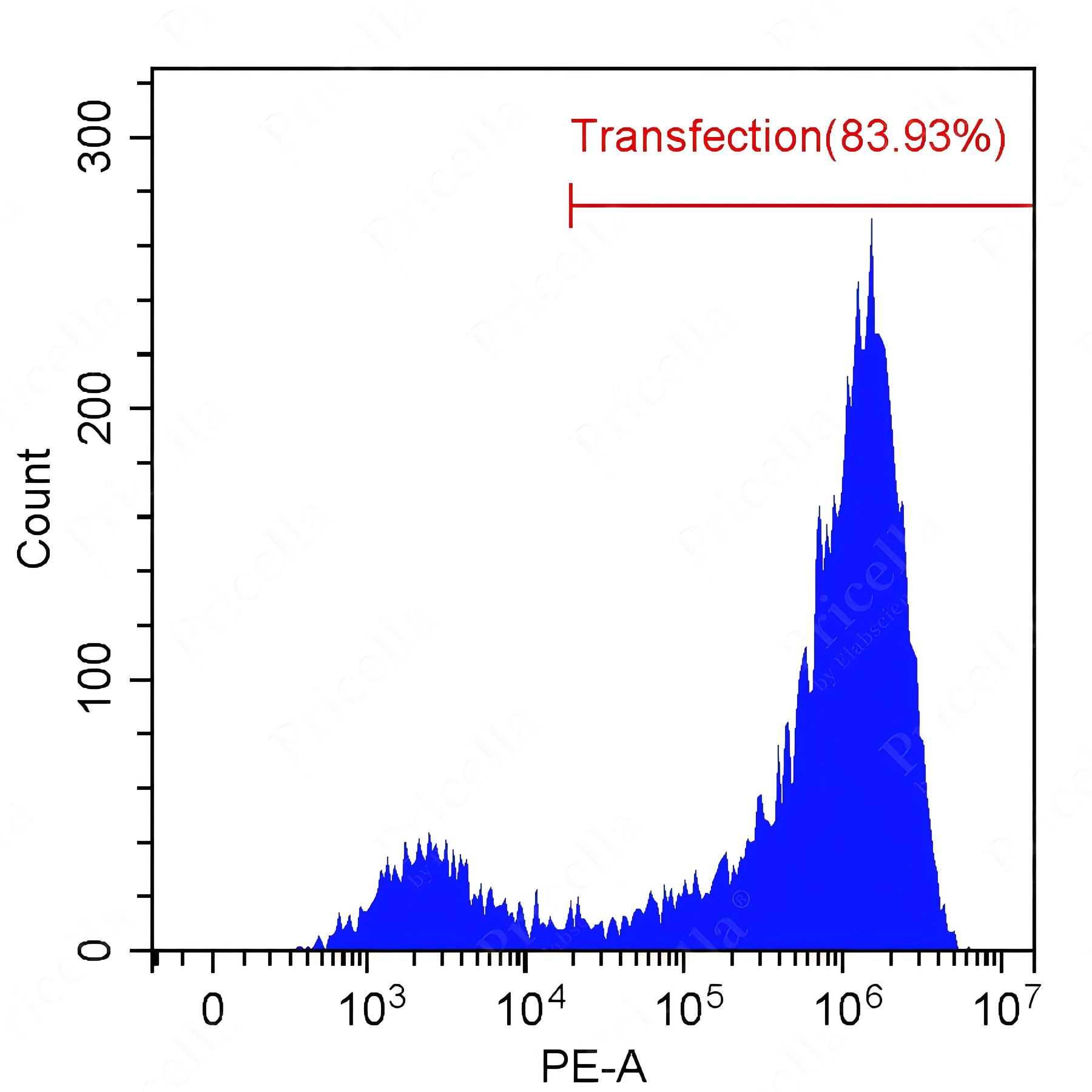
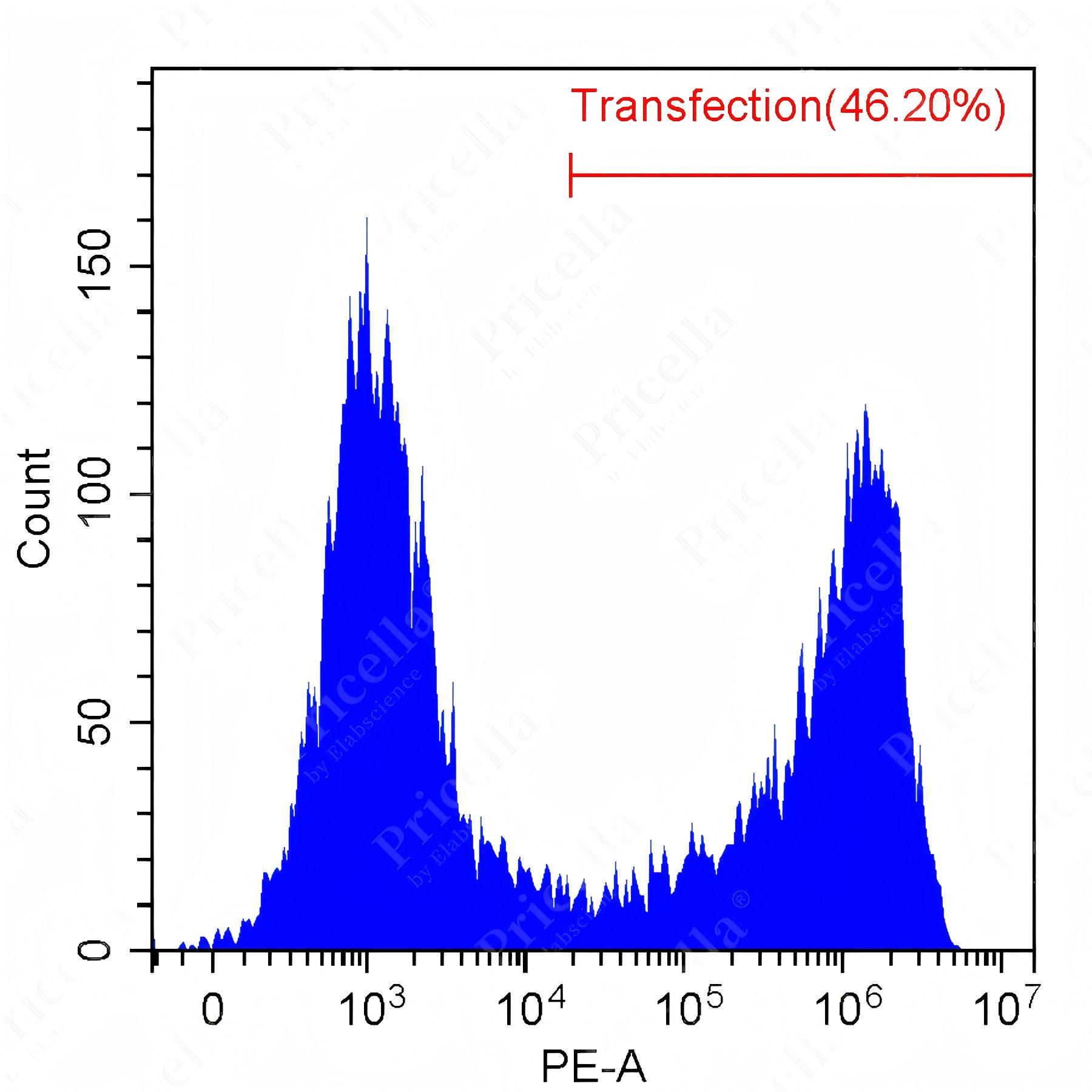
Figure 2. A549 cells transfected with EGFP expression plasmid
(The comparison experiment was strictly conducted according to the instructions in the product manuals. )
V. Frequently Asked Questions (FAQ)
Q: Is serum-free medium required for the transfection of A549 cells?
A: Serum-free medium is not required throughout the entire transfection. However, it is necessary during the preparation of the transfection complex (e.g., Ham's F-12K). Cells can be maintained in complete medium with serum both before and after transfection. After transfection with the Mergene1000® A549 Cell-Specific mRNA Transfection Reagent, the medium may optionally be replaced 4-6 h post-transfection, depending on cell condition.
Q: How can mRNA stability be improved in A549 cells?
A: To enhance mRNA stability:
1.Use nucleotide-modified mRNA (e.g., pseudouridine-modified) and optimize the 5' and 3' untranslated regions (UTRs).
2.Prevent RNase contamination.
Q: How can transfection efficiency be improved and post-transfection cell death minimized?
A: To optimize transfection efficiency and cell viability:
1.Use cells in the logarithmic growth phase with good viability. Avoid over-passaged or contaminated cells, and maintain 70%-90% confluency.
2.Employ high-purity mRNA to increase transfection efficiency.
3.Adjust the nucleic acid or transfection reagent dosage as needed and replace the medium with fresh medium 4-6 h post-transfection.
The A549 Cell-Specific mRNA Transfection Reagent offers high efficiency, low toxicity, rapid expression, and excellent stability, making it suitable for gene function studies, drug screening, and signaling pathway analysis.
Prev: A Practical Guide to Isolation and Culture of Rat Cortical Neurons
Next: Your Complete Guide to Isolating Bone Marrow Monocytes